
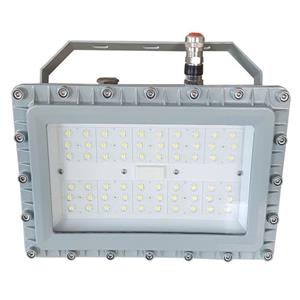
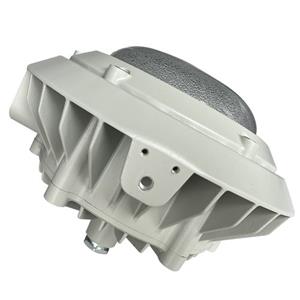
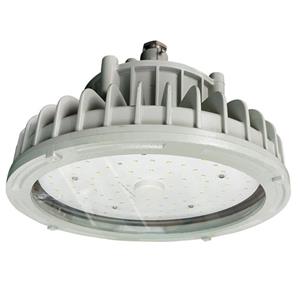
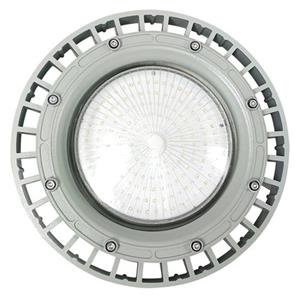
Global Explosion Proof Light Market Surges in H2 2026: LED Light Technology and Energy Efficiency Drive Unprecedented Industrial Adoption
Yantai, China — May 30, 2026 — The global market for explosion proof light products is experiencing an extraordinary wave of growth in the second half of 2026, fueled by accelerating industrial expansion, tightening workplace safety regulations, and the relentless advancement of LED light technology. Industry analysts, facility managers, and procurement specialists across oil and gas, petrochemical, mining, and marine sectors are all reporting a sharp uptick in demand for certified explosion proof light fixtures, with LED light solutions emerging as the dominant choice for new installations, retrofits, and large-scale infrastructure upgrades.
This comprehensive press release examines the key market drivers, regional dynamics, emerging LED light innovations, and long-term outlook shaping the global explosion proof light industry throughout the remainder of 2026 and into 2027.
Market Overview: Why Explosion Proof Light Demand Is Accelerating
The explosion proof light segment has consistently outpaced broader industrial lighting market growth for the past three years. According to data compiled from multiple international industry bodies and procurement databases, the global explosion proof light market reached an estimated valuation of USD 2.1 billion in the first half of 2026 and is projected to exceed USD 4.6 billion by year-end, driven in large part by an unprecedented surge in LED light adoption across hazardous location categories.
What distinguishes today's market from previous cycles is the convergence of three simultaneous forces. First, legacy halogen and high-pressure sodium light fixtures are being retired en masse as facilities recognize that a modern LED light solution delivers between 50% and 70% energy savings while maintaining full explosion proof certification under IECEx, ATEX, UL 844, and NEC Class I Division standards. Second, new industrial construction — particularly in the oil and gas sectors of Latin America, the Middle East, and Southeast Asia — is specifying LED light products exclusively from the outset, bypassing older light technologies entirely. Third, environmental, social, and governance (ESG) commitments at the corporate level are accelerating the retirement schedule for any light source that cannot meet current efficiency benchmarks.
Every facility manager overseeing a hazardous environment now understands that a properly certified explosion proof light is not merely a compliance checkbox — it is a critical investment in worker safety, operational continuity, and long-term asset value. The LED light revolution within the explosion proof light category has made this investment more financially attractive than at any previous point in the industry's history.