
Explosion-Proof LED Lighting: Revolutionizing Safety in Hazardous Environments
1. Introduction to Explosion-Proof Lighting Systems
Explosion-proof lighting is engineered to operate safely in volatile environments where flammable gases,
vapors, or dust pose ignition risks. Traditional lighting solutions often fail in such zones, but advances in
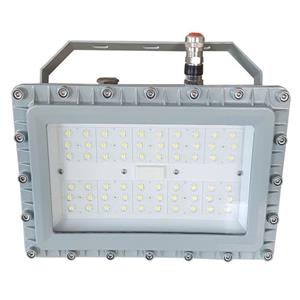
led lighting technology have enabled durable, energy-efficient alternatives. Modern explosion proof light
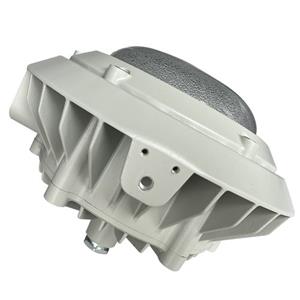
fixtures combine robust materials (e.g., aluminum alloy, tempered glass) with intelligent thermal management
to prevent arcs, sparks, or surface temperatures exceeding safety thresholds . These systems are critical
in oil refineries, chemical plants, mining operations, and gas stations—where lighting reliability directly
impacts human safety and operational continuity.
2. Technical Innovations in Explosion-Proof LED Technology
2.1. Optical and Thermal Engineering
Leading explosion proof light products, such as the T8 LED glass tube, achieve high luminous efficacy
(100 lm/W) and uniform illumination without glare. They utilize SMD2835 LED chips for 1,800lm output
at 18W, with color temperatures adjustable from 2,700K to 6,800K 1. Heat dissipation is critical; designs
incorporate blue-ray-resistant glass and RF heat-resistant coatings to maintain surface temperatures
below ignition points. For example, the Shenhai 30W IP66 LED explosion-proof lamp uses aluminum
alloy bodies and silicone seals to block moisture and corrosive gases .
2.2. Electrical Safety and Certification
Universal voltage input (85–265V AC) ensures compatibility with unstable grids, while "instant start"
circuitry eliminates fluorescent-like flickering. Each LED operates independently—a failsafe against total
fixture failure. Certifications like ATEX, IECEx, CE, RoHS, and ETL validate compliance with international
standards for Zone 1/2 hazardous areas . The Model 27XL explosion-proof LED light further exemplifies
innovation, supporting 24V AC/DC to 240V AC with 60 high-intensity flashes/minute for emergency
signaling .
3. Product Spectrum and Industrial Applications
3.1. Linear Lighting Solutions
T8/T5 LED Tubes: Direct replacements for fluorescent lights in existing fixtures (e.g., 900mm/18W tubes
producing 1,800lm). Applications: Hospitals, airports, factories .
Explosion-Proof Linear Lights: IP66-rated fixtures like 1.5M LED tubes with impact-resistant glass for
chemical plants .
3.2. High-Bay and Flood Lighting
LED High Bays: 40W–200W models (e.g., 160W explosion-proof floodlights) deliver 15,000–30,000lm for
oil rigs and warehouses.
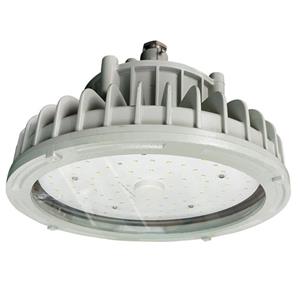
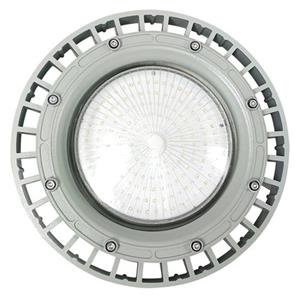
Round High Bays: Waterproof designs (WF2 rating) for freezer rooms or offshore platforms .
3.3. Specialty Fixtures
Emergency Pilot Lights: Amber/red/blue lens options for hazard signaling .
Wall-Mounted Lamps: 20W–60W corrosion-proof lights for refineries.
4. Case Studies: Real-World Deployments
Gas Stations: Shenhai’s 30W drop lights (Zone 1 certified) prevent ignition from gasoline vapors .
Mining Tunnels: T8 explosion-proof tubes (1,600lm) ensure glare-free illumination in coal dust-rich
environments .
Pharmaceutical Facilities: Maintenance-free LED fixtures with RoHS compliance avoid mercury/lead
contamination .
5. Economic and Environmental Advantages
Energy Savings: 18W LED tubes replace 40W fluorescents, cutting power use by 55% .
Lifespan: 50,000–100,000 hours (vs. 15,000 for traditional lights), reducing replacement costs.
Eco-Impact: Mercury-free designs align with RoHS; 5-year warranties minimize e-waste .
6. Future Trends: Smart and Adaptive Systems
Next-gen led lighting integrates IoT for real-time hazard monitoring. For instance, mobile internet-based
smart explosion-proof systems enable remote brightness adjustment and fault diagnostics . Advances
in materials (e.g., nano-coated glass) will further enhance durability in extreme temperatures (-40°C to
55°C) .
7. Conclusion
Explosion-proof led lighting transcends basic illumination—it is a non-negotiable safety infrastructure.
With unmatched efficiency, longevity, and adaptability, modern explosion proof light solutions safeguard
lives while optimizing operational costs. As industries expand into harsher environments, innovation in
hazardous-area lighting will remain pivotal to sustainable progress.