
2025 Annual Report on Explosion-Proof Lighting
Market Overview
The global explosion-proof lighting market in 2025 witnessed significant growth, driven by stringent safety regulations in hazardous industries such as oil & gas, chemicals, and mining. The explosion proof light segment, particularly explosion proof led light, dominated the market due to its energy efficiency and long lifespan. LED technology has become the preferred choice, with led light products accounting for over 75% of new installations, replacing traditional incandescent and fluorescent fixtures.
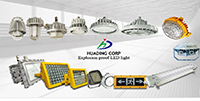
Key Product Performance
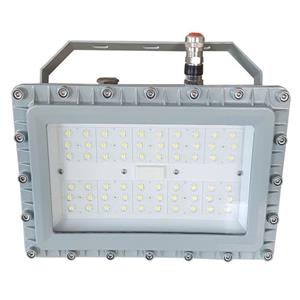
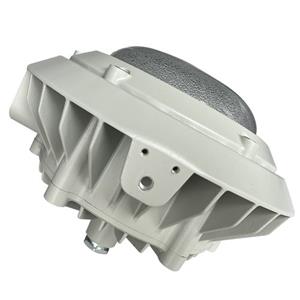
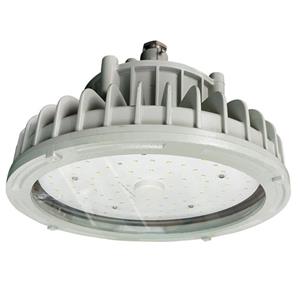
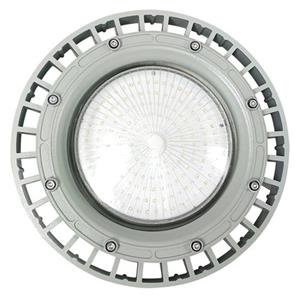
explosion proof led light: Achieved a 20% year-on-year growth, with adoption rates exceeding 60% in Zone 1 and 2 hazardous areas. Innovations in thermal management and IP68-rated enclosures enhanced durability.
explosion proof light: Demand for specialized variants (e.g., intrinsic safety type "Ex ia II CT6") rose by 15%, driven by refineries and offshore platforms.
led light: Average luminous efficacy reached 130 lm/W, reducing energy consumption by 30% compared to conventional explosion proof light sources.
Industry Trends
Regulatory Compliance: New EU ATEX standards and IEC 60079 updates pushed manufacturers to enhance explosion proof led light certifications, particularly for dust ignition protection (DIP).
Smart Integration: IoT-enabled explosion proof light systems with remote monitoring saw a 25% uptake, allowing real-time fault detection in critical facilities.
Challenges & Opportunities
Challenges: Raw material price fluctuations for aluminum alloys and semiconductors impacted led light production costs.
Opportunities: Emerging markets in Southeast Asia and Africa present untapped potential for explosion proof led light adoption, with projected CAGR of 18% by 2030.
Conclusion
2025 marked a pivotal year for the explosion proof light industry, with explosion proof led light solidifying its position as the core product. As industries prioritize safety and sustainability, led light technology will continue to drive innovation, supported by advancements in materials and smart connectivity.